The language of cloth
Why we begin every collection with the mill, not the sketch — and what a good piece of wool can tell you before it is cut.
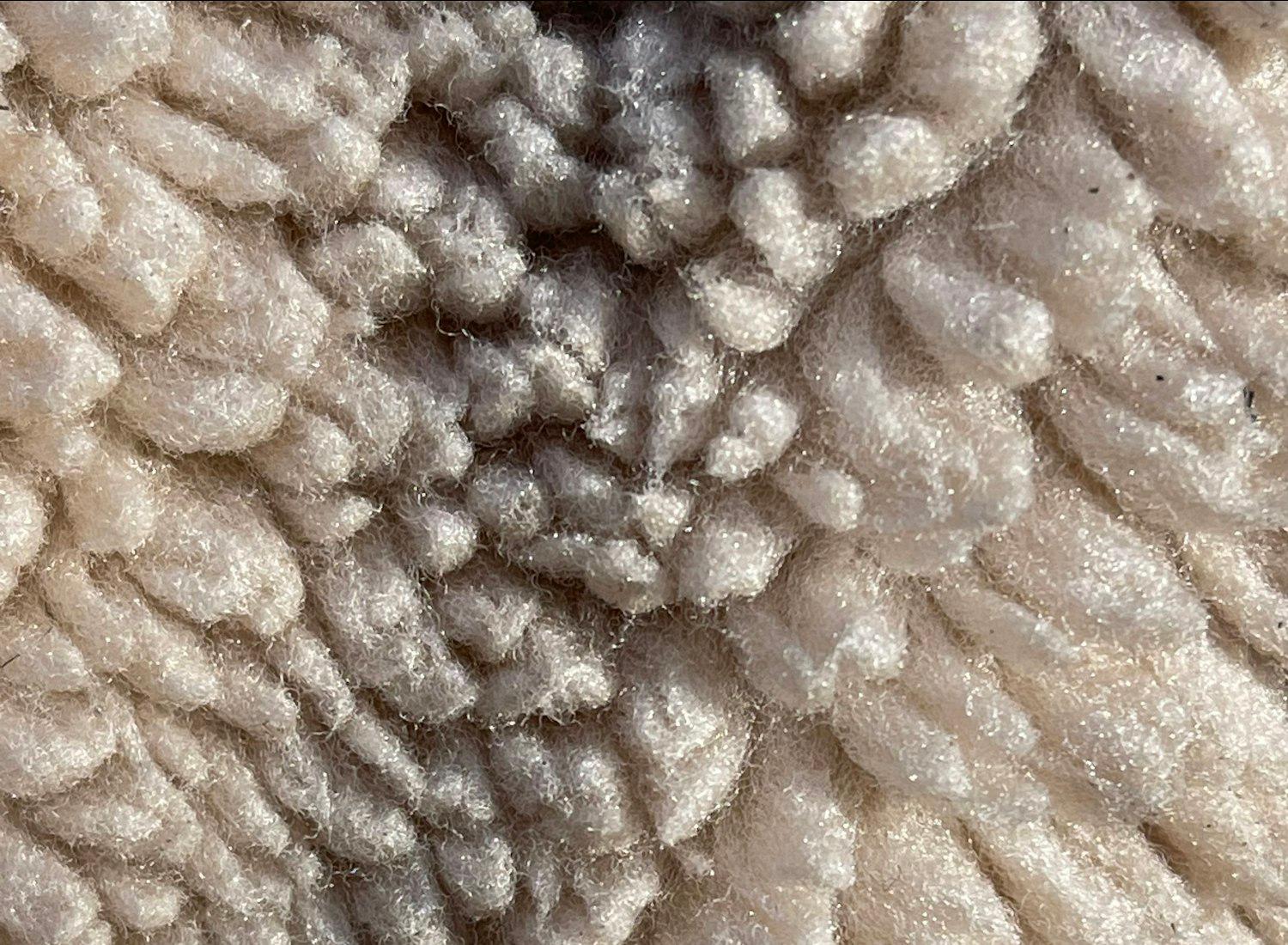
Before a single line is drawn, we spend weeks in the mills. In Biella, the light is flat and grey for much of the year, which is precisely why the colours are so good: nothing flatters, so everything must be true.
A cloth is not a surface. It has a memory. Double-faced wool wants to be folded, not forced; cashmere resists a sharp seam; silk satin will find the bias whether you cut it there or not. The first job of a designer is to listen.
Our AW26 collection began with a bolt of camel wool that had been woven on a slow loom, the kind that runs at a fraction of the speed of its modern equivalent. It was softer than it looked and heavier than it needed to be. We built the Alba coat around it and then removed everything that was not necessary.
This is the quiet work of a house like ours: fewer decisions, made more carefully. The result is a garment that does not announce itself, but is unmistakable in the hand.
“The best clothes do not ask to be noticed. They simply make the person wearing them feel more like themselves.”